Recent Post

How to Unlock Peacekeeper Quests: Requirements and Quest Guide ...
Unlocking tasks from Peacekeeper is a major milestone for players in Escape from Tarkov, as this UN trader provides access to valuable Western firearms, NATO ammunition, and specialized tactical gear. Unlike early-game vendors, Peacekeeper does not offer tasks immediately when you start your journey in Tarkov. Understanding the specific prerequisites and initial quest chains is essential for progressing smoothly through his inventory tiers.
Prerequisites for Unlocking Peacekeeper Tasks
To begin receiving tasks from Peacekeeper, players must first complete a specific questline given by Skier. Skier's early mission chain requires completing Friend From the West Part 1, which involves eliminating PMC targets in raid. Once that objective is finished, Friend From the West Part 2 becomes available, requiring a financial payment in USD to finalize your reputation with Skier.
Handing over the required currency to Skier instantly establishes contact with Peacekeeper and unlocks his primary task list. Players should prepare dollars in advance by trading with vendors or converting Roubles to avoid unnecessary delays. Reaching character level requirements also ensures you can accept higher-tier assignments without bottlenecking your overall hideout and trader progression.
Overview of Early Peacekeeper Quests
Once unlocked, Peacekeeper's initial assignments focus heavily on reconnaissance, marking high-value strategic assets, and recovering vital intelligence. Early missions such as Fishing Gear, Tigr Safari, and Scrap Metal challenge players to explore maps like Shoreline and Customs. These tasks frequently require carrying MS2000 Markers and specialized item hideouts into hazardous zones.
Completing these early objectives rewards players with valuable character experience, improved trader reputation, and access to advanced weapon modifications. Successful extractions are mandatory for completing most item-placement quests, making careful route planning essential. Bringing proper defensive equipment and stamina stimulants helps minimize risks during high-traffic marker placements.
Strategies for Advanced Peacekeeper Objectives
As you progress further, Peacekeeper introduces complex multi-map challenges like Peacekeeping Mission and The Guide. Peacekeeping Mission demands eliminating enemy Scavs across multiple locations while equipped with mandatory UNTAR body armor and helmets. The Guide requires surviving and extracting from every major map in consecutive order without dying in between raids.
To overcome these tough late-game tasks, players often prioritize difficult maps like Labs or Factory early in their run sequence. Utilizing squad communication and high-tier defensive gear significantly increases your survival chances during extraction runs. Mastering these demanding operations ultimately grants full access to Peacekeeper's top-tier military inventory and high-penetration ammunition.

Can You Evolve Pokemon in Pokemon Quest Explained ...
Pokemon Quest introduces a unique action-RPG style to the world of Tumblecube Island, where players collect and battle blocky creatures. Many newcomers wonder whether traditional evolution mechanics exist in this spinoff game. The short answer is yes, pocket monsters can evolve, but the process works slightly differently than in main series titles.
How Evolution Works in Pokemon Quest
In Pokemon Quest, evolution is primarily tied to increasing a creature's level through expeditions and training. Unlike traditional games that require evolutionary stones or trade mechanics, every creature in this game evolves strictly by reaching a designated level. Once your companion gains enough experience and reaches its threshold, the evolution animation triggers automatically after completing a stage.
This streamlined system allows players to focus on exploration and cooking recipes without worrying about finding rare evolutionary items. However, if you attract a high-level creature through cooking that is already past its normal evolution level, it simply needs to gain one additional level to trigger its evolution. This mechanic ensures that every team member has a straightforward path to reaching its final form.
Level Thresholds and Core Series Similarities
Most creatures in Pokemon Quest share the exact same level requirements as their mainline counterparts. For example, popular starters like Charmander, Bulbasaur, and Squirtle reach their second forms at level 16 and final forms at level 36. This familiar structure makes it easy for veteran trainers to predict when their party members will transform.
Even creatures that traditionally required evolutionary stones, such as Pikachu or Clefairy, evolve by leveling up in this game. Players can reliably plan their progression by checking standard evolution levels across the Kanto roster. Tracking these level benchmarks helps players optimize team strength before tackling difficult boss stages.
Special Evolution Methods and Eevee
While most evolutions are straightforward, Eevee features a unique mechanic based on equipped Power Stones. Depending on whether Attack or HP stones are dominant when Eevee reaches level 36, it transforms into Flareon, Vaporeon, or Jolteon. Equipping more Attack Stones yields Flareon, prioritizing HP Stones grants Vaporeon, and keeping stats balanced leads to Jolteon.
Additionally, players can prevent unwanted evolutions by turning on the Everstone toggle located on a creature's stat screen. This option is particularly useful if you want to preserve a specific appearance or move set. Toggling the Everstone off at a later time allows the creature to evolve on its next level up.
Strategic Advantages of Delaying Evolution
Evolving a companion boosts its base HP and Attack attributes, significantly raising your overall team strength. However, staying in an unevolved state offers notable strategic benefits when managing moves and bingo bonuses. Unevolved creatures have a higher success rate during Move Training, making it much easier to teach them powerful attacks early on.
Furthermore, evolving a creature can sometimes reduce or alter its valuable bingo bonuses by a small margin. Certain move pools also become larger or less desirable in fully evolved forms, making move hunting more challenging. Weighing immediate stat increases against move flexibility helps players build the most efficient endgame teams.

Bokoblin Breath Of The Wild Guide To Locations Loot And Combat Strategies ...
Bokoblins are the most frequent enemy encounters throughout Hyrule in The Legend of Zelda: Breath of the Wild. Understanding their behaviors, habitat zones, and valuable item drops is essential for surviving early encounters and stocking up on crafting materials. From basic red variants to formidable silver foes, these pig-like creatures present both tactical challenges and resource opportunities.
Where to Find Bokoblins Across Hyrule
Bokoblins populate nearly every major region in Breath of the Wild, making them impossible to avoid during your journey. They are particularly abundant around the Great Plateau, Central Hyrule Field, and Akkala, often occupying skull-shaped outposts or improvised wooden watchtowers. Higher-tier color variants spawn gradually as players progress through the game and defeat more enemies.
Different environments host specialized variants that adapt to local climates, such as Stalkoblins that emerge at night. You can frequently spot roaming squads guarding treasure chests or cooking around campfires in open grasslands. Paying attention to tower sentries allows players to plan stealthy approaches before alerting the entire encampment.
Understanding Bokoblin Drops and Monster Parts
Defeating Bokoblins yields a steady supply of useful monster materials, including horns, fangs, and guts. These items serve as fundamental ingredients when brewing elixirs at cooking pots or upgrading armor pieces at Great Fairy Fountains. Higher-ranked variants, such as Black or Silver Bokoblins, drop far more valuable gems alongside top-tier parts.
In addition to monster parts, Bokoblins frequently drop their active weapons, shields, and bows upon defeat. Striking a Bokoblin with a heavy weapon or a well-placed headshot forces them to disarm immediately. Collecting these dropped armaments helps players constantly replenish their inventory durability during long expeditions.
Effective Combat Strategies and Tactics
Engaging Bokoblin camps requires balancing direct offense with smart environmental manipulation. Utilizing stealth gear enables Link to perform sneakstrikes, dealing massive multiplier damage before open combat even begins. Players can also detonate explosive barrels near sleeping camps using fire arrows or remote bombs to clear groups instantly.
When facing mounted Bokoblins, using the Stasis rune upgrade or shooting them in the eye quickly unseats the rider. Since Bokoblins cannot swim, knocking them into deep water with heavy attacks or Korok Leaves results in an instant defeat. Utilizing perfect dodges to trigger flurry rushes remains the most effective way to handle high-health variants safely.
Advanced Tricks for Handling Encounters
Creative players can take advantage of Bokoblin AI features to trivialize tough group battles. Equipping a Bokoblin Mask allows Link to blend into camps without provoking immediate hostility from the guards. This camouflage gives players ample time to steal weapons off the ground or place remote bombs directly at their feet.
Using elemental weapons also turns the tide when fighting large packs of enemies simultaneously. Freezing a Bokoblin with an ice attack incapacitates it while you focus on other threats, and the follow-up strike deals triple damage. Mastering these simple interactions saves valuable weapon durability and ensures smooth victory across all regions.

What Does Edge Mean in Betting: Understanding Advantage and Expected Value ...
In sports betting and gambling, having an edge refers to holding a statistical advantage over the bookmaker or house odds. Successful bettors do not rely on intuition alone, but rather focus on identifying scenarios where the real probability of an outcome is higher than implied by the available odds.
Defining Advantage in Sports Betting
An edge represents the mathematical superiority a bettor gains when placing a wager at better value than the true market probability suggests. Bookmakers build a profit margin into their odds, making it essential for players to spot discrepancies between actual probabilities and listed prices.
Finding this edge requires analytical skill, up-to-date information, and an understanding of market movements. Bettors often look for specialized platforms or a trusted link alternatif m88 to access updated odds and comprehensive market coverage across global sports events.
Understanding Expected Value (EV)
Expected value measures the projected return on a wager placed repeatedly under identical conditions over the long run. Positive expected value indicates a profitable bet over time, while negative expected value means the odds favor the sportsbook.
Calculating expected value involves multiplying the probability of winning by the potential profit, then subtracting the probability of losing multiplied by the stake. When the resulting figure is positive, a bettor has successfully identified an operational edge.
Methods for Identifying a Betting Edge
Bettors develop an edge by analyzing complex statistics, tracking team news, and using quantitative models. Comparing odds across multiple sportsbooks also helps highlight line mismatches that present positive value opportunities.
Specializing in niche leagues or secondary markets allows analytical bettors to outpace bookmakers who may not update obscure lines as quickly. Consistency in researching key performance metrics forms the foundation of sustainable long-term success.
Managing Bankroll and Risk with an Edge
Even when a positive expected value exists, short-term variance can lead to unpredictable losing streaks. Proper bankroll management ensures that a bettor stays solvent long enough for their mathematical advantage to take effect.
Staking plans like the Kelly Criterion help adjust wager sizes relative to the size of the identified edge. Combining rigorous discipline with accurate probability assessments transforms casual betting into a structured analytical discipline.

Jake Paul Anthony Joshua Betting Odds Understanding the Market Around the Boxing Matchup ...
Speculation surrounding a potential crossover bout between crossover star Jake Paul and former heavyweight champion Anthony Joshua has generated massive interest across combat sports media. Oddsmakers and sportsbooks have begun assessing the theoretical dynamics of such a matchup, creating early wagering lines that reflect a vast gap in experience and physical caliber. Understanding how these betting odds are framed helps combat sports fans evaluate the realistic probability and market sentiment surrounding the fight.
Analyzing the Opening Odds and Favorite Status
In any hypothetical betting market featuring Jake Paul and Anthony Joshua, the former two-time world heavyweight champion opens as a monumental betting favorite. Joshua possesses a deep amateur pedigree, an Olympic gold medal, and extensive championship experience against elite heavyweight contenders. Oddsmakers set lines based on pure athletic capability, which heavily favors the traditional boxer over a digital personality turned professional athlete.
For Jake Paul, entering a bout as a massive betting underdog presents a stark contrast to his previous bouts against retired mixed martial artists and crossover opponent sports figures. Oddsmakers factor in his power and athletic progression, yet acknowledge the structural disadvantage when facing an active top-tier heavyweight. Moneyline odds reflect this disparity by offering steep payouts on a Paul victory while requiring significant risk to back Joshua.
Physicality and Experience Advantages in the Line
The betting lines heavily weigh the physical stature, reach, and natural weight class difference between both fighters. Joshua routinely competes near 240 pounds with devastating knockout power, which vastly shifts method-of-victory betting markets toward an early stoppage. Oddsmakers adjust prop bets accordingly, pricing round totals low due to the sheer impact of heavyweights inside the ring.
Analyst assessments and market trends often draw casual sports enthusiasts looking for entertainment value outside of boxing, much like players seeking strategy updates on platforms like boss mahjong during major sporting events. When assessing combat markets, sharp bettors recognize that high-risk underdogs rarely close the gap against seasoned elite punchers. Consequently, public money usually shapes prop markets more than the primary head-to-head line.
Prop Betting and Alternative Wagering Opportunities
Beyond standard win-loss lines, bookmakers design prop markets to capture specialized interest in high-profile crossover events. Bettors often look at over-under round predictions, total landed punches, or whether the fight will reach a final decision. Given the natural power advantage held by Joshua, prop lines focusing on a stoppage within the opening three rounds command significant attention.
Alternatively, wagering on Jake Paul to survive specified round markers offers higher potential returns for bettors speculating on defensive tactics. Analysts examine how Paul might use lateral movement and clinch work to extend the duration of the bout. These market options allow spectators to engage with the event even if the outright winner line seems heavily skewed.
Market Sentiment and Final Fight Considerations
Public sentiment plays a massive role in shaping betting lines leading up to high-profile celebrity and crossover boxing spectacles. Casual money often flows toward popular media figures, which can slightly alter odds and create value opportunities on the established athlete. Oddsmakers constantly balance total risk by adjusting lines as betting volume increases near fight night.
Ultimately, analyzing the betting odds around a Paul versus Joshua matchup provides a clear look at how bookmakers quantify raw boxing experience against public narrative. While market odds remain heavily slanted toward the accomplished heavyweight, the unique promotional draw keeps interest at an all-time high. Evaluating these financial lines offers valuable context for fans following the evolving intersection of entertainment and combat sports.

Setting Of The Lottery By Shirley Jackson And Its Importance ...
Shirley Jackson's classic short story, The Lottery, relies heavily on its environment to create a unforgettable contrast between everyday normal life and hidden violence. Set in a small, nameless American village on a bright summer morning, the narrative lures readers into a false sense of security before revealing its grim ritual. Understanding the setting is essential for analyzing how Jackson critiques blind adherence to tradition and societal conformity.
The Pleasant Surface of the Rural Village
The story opens on June 27th, a warm and clear day where flowers are blossoming profusely and the grass is richly green. This idyllic description creates an inviting atmosphere that mirrors typical small-town life in mid-twentieth-century America. By establishing such a peaceful backdrop, Jackson sets up a stark psychological contrast for the shocking events that unfold later in the afternoon.
The village itself is small, with a population of about three hundred people, allowing the entire community to gather in less than two hours. Residents assemble in the square between the post office and the bank, locations that symbolize ordinary civic order and routine business. The familiar surroundings make the horrific nature of the annual ritual feel far more jarring to the reader.
Symbolism of the Physical Environment
The central town square functions as the heart of the community's public life, emphasizing that the brutal event is not taking place in secret. By conducting the ritual in broad daylight, the villagers demonstrate their collective acceptance of violence as an acceptable social norm. The open space leaves no room for individuals to hide, enforcing complete participation from every member of the town.
Even modern audiences who use digital platforms like the m88 app for daily convenience can recognize how shared physical spaces historically shaped group behavior. The public square reinforces the idea that conformity is monitored by one's peers. Everyone watches everyone else, ensuring that no resident challenges the long-standing tradition.
The Role of Time and Seasonality
Choosing late June as the time setting carries significant thematic weight linked to ancient agricultural practices. Old Man Warner references the traditional adage, Lottery in June, corn be heavy soon, highlighting the superstitious belief that human sacrifice guarantees a bountiful harvest. The summer solstice setting connects the story to historical rites of renewal, despite the modern village lacking any logical connection to such beliefs.
The brief time frame of the story further amplifies its dramatic impact. The entire event takes place between ten o'clock in the morning and noon, allowing the villagers to return home in time for lunch. This business-like efficiency shows how completely the citizens have compartmentalized extreme cruelty into their daily schedules.
Why the Setting Remains Important to Readers
The anonymity of the setting allows the story's warning to apply to almost any society or culture. Jackson intentionally omits specific geographical markers to suggest that uncivilized behavior can take root anywhere under the guise of custom. The pleasant village setting serves as a mirror, forcing readers to examine the unquestioned rituals within their own communities.
Ultimately, the setting of The Lottery is not merely a backdrop, but an active component of the story's central message. By pairing sunny skies and friendly neighbors with a deadly ritual, Jackson delivers a powerful commentary on human cruelty. The contrast ensures that the story remains a timeless exploration of social pressure and tradition.

Helpful Advice For New Players At Busy Baccarat Tables ...
Stepping up to a crowded baccarat table can feel overwhelming for beginners due to the rapid movement of chips and bustling environment. High-traffic gaming floors introduce a unique atmosphere where multiple wagers are placed simultaneously, requiring sharp observation and steady composure. Learning how to navigate these energetic settings allows newcomers to enjoy the game without feeling rushed or distracted.
Observing Table Etiquette and Timing
In a packed environment, respecting the physical flow of play is essential for a smooth experience. Always wait for the current round to conclude before placing chips on the felt or entering the game. Observing how experienced participants handle their wagers helps you learn when to place your own bets without interrupting the dealer.
High activity can sometimes cause brief delays as dealers calculate payouts and collect losing wagers. Remaining patient during these moments keeps the overall pace enjoyable for everyone at the table. Paying close attention to the dealer's signals ensures you never miss the active betting window.
Managing Your Betting Pace Under Pressure
Crowded tables often move at a firm rhythm driven by collective participant momentum. It is crucial not to let the speed of surrounding players force you into hasty financial decisions. Take a moment to evaluate your wager before placing chips, ensuring every move aligns with your plan.
If the physical crowd feels too intense, transitioning to digital feeds can provide a more controlled environment. Checking an official portal through an m88 login terbaru allows players to experience live dealer action with clear user interfaces and personalized timing. This option lets you build confidence at your own speed without external pressure.
Understanding Basic Wagering Priorities
When surrounded by constant noise and activity, keeping your betting choices simple prevents mental fatigue. Sticking to primary options like Banker or Player reduces decision complexity significantly during high-energy rounds. Avoid overcomplicating your strategy with secondary options while still adapting to the table's flow.
Statistically, the Banker position offers a slight edge, making it a reliable foundation for continuous play. The Player option presents a straightforward alternative without commission deductions on winning hands. Minimizing unnecessary side wagers keeps your focus sharp on the core mechanics of each deal.
Maintaining Bankroll Discipline
A fast-paced, crowded room can quickly lead to unmanaged spending if clear boundaries are not set in advance. Establish a strict budget prior to taking your seat and divide your total funds into smaller session units. This structured approach prevents sudden losses during unexpected table swings.
When sessions become fast or chaotic, stepping back to regroup is always a wise strategy. Taking short breaks restores focus and helps preserve your overall playing budget. By pairing calm discipline with fundamental knowledge, new players can confidently navigate even the busiest baccarat environments.
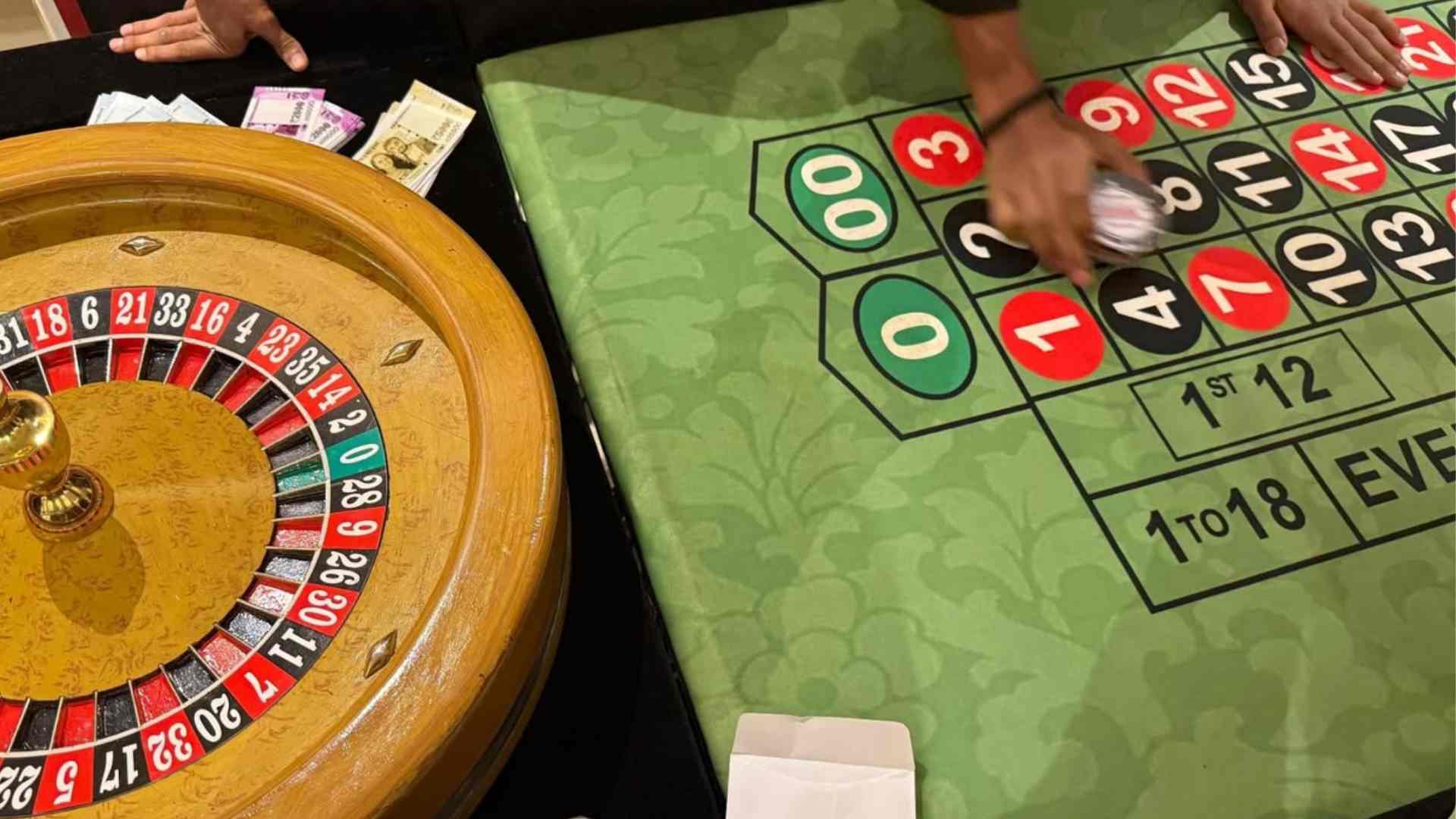
Dynamic Reward Mechanics That Keep Players Engaged Over Time ...
Modern interactive systems rely heavily on evolving design strategies to maintain user interest over long periods. Instead of offering predictable milestones, game developers utilize dynamic reward mechanics that adapt to player actions and milestone progression. This continuous shift ensures that every gaming session offers a fresh sense of anticipation and meaningful accomplishment.
Understanding Dynamic Incentive Design
Dynamic reward systems are engineered to adjust their distribution based on individual activity levels and performance metrics. By tracking how players navigate challenges, developers can deliver tailored incentives that keep enthusiasm consistently high. This adaptive approach prevents gameplay loops from feeling stagnant or repetitive over extended playtimes.
Furthermore, shifting from static prize tracks to dynamic models fosters deeper long-term engagement across diverse audience segments. Players who seek digital excitement, including those exploring online platforms like m88 cá cược trực tuyến, often respond positively to continuous variation in system feedback. This strategic variance transforms basic play tasks into captivating personal journeys.
The Behavioral Impact of Adaptive Feedback Loops
Human psychology naturally responds with heightened focus when outcomes feature a degree of positive uncertainty. When a system provides dynamic drops or surprise achievements, it activates cognitive curiosity and elevates intrinsic motivation. Players remain invested because the potential value of their next action remains intriguing.
In addition, dynamic systems reduce the fatigue often associated with linear grinding mechanisms. By distributing bonuses at variable intervals, games establish a balanced flow between effort and satisfaction. This psychological equilibrium encourages participants to return regularly without feeling overwhelmed by rigid objectives.
Personalization and Skill-Based Advancement
Advanced algorithmic models allow contemporary games to analyze player behavior in real time. This capability enables systems to offer customized rewards that match specific play styles, skill levels, and time commitments. As a result, both casual users and dedicated enthusiasts receive incentives that feel relevant and earned.
Personalized progression also strengthens a player's sense of agency within the virtual environment. When individuals observe that their unique strategies directly influence incoming perks, their connection to the experience deepens. This sense of ownership is a vital factor in sustaining long-term user retention.
Ensuring Equity and Strategic Balance
While dynamic incentives heighten excitement, maintaining fairness is critical for long-term platform credibility. Developers must carefully structure underlying algorithms to prevent excessive randomness from undermining player effort. Establishing clear baseline progression tracks alongside dynamic bonuses ensures that every participant feels valued.
Ultimately, the successful implementation of dynamic rewards relies on striking a transparent balance between surprise and reliability. When designed thoughtfully, these flexible frameworks enhance player satisfaction, build trust, and define the future of sustainable interactive entertainment.

Star Wars Jedi Survivor Devastated Settlement Walkthrough And Objectives ...
Navigating the sprawling landscape of Koboh in Star Wars Jedi Survivor brings Cal Kestis to the Devastated Settlement, an area filled with vertical puzzles and ancient mysteries. This region is critical for players working through the main objective focused on researching Tanalorr. To successfully clear the area, you must master the local wildlife and utilize a combination of thermal vents and laser tracking systems.
Navigating the Thermal Vents with Relters
The primary method of traversing the massive chasms of the Devastated Settlement involves taming and riding the winged creatures known as Relters. These animals allow Cal to glide across long distances by utilizing hot air currents rising from the canyon floors. Activating new thermal vents across the zone will grant you access to higher platforms that were previously unreachable.
As you glide between the rocky spires, keep an eye out for hidden ledges containing unique collectibles and resource materials. Many players overlook these smaller islands, which often hold cosmetic upgrades or valuable Datadiscs. Clearing out the roaming Bedlam Raiders on each landing site is necessary to secure the area and work toward your next destination safely.
Solving the Wave Coupler Orb Puzzles
Progressing through the settlement requires completing a series of intricate environmental puzzles focused on directing powerful energy beams. Players must locate glowing Orbs and place them into designated wave couplers to activate the main laser devices. These lasers are essential for burning away the crystalline Koboh Matter that blocks vital doorways and progression paths.
You will need to use BD-1's specialized Grinder tool to spray a trail of matter from the laser beam directly onto the blocked vines. This mechanic requires precise positioning and quick movement to ensure the fire chain connects before fading away. Once the obstructions are cleared, you can recover the Orbs and reposition the beams to unlock subsequent sections of the canyon.
Unlocking the Grand Courtyard and Hidden Chamber
The culmination of your exploration leads to the Grand Courtyard Meditation Point, which serves as the final hub before pushing forward. From this vantage point, players can coordinate the ultimate alignment of the canyon lasers to clear the remaining corruption below. Successfully directing the final beam opens up a massive wind current that propels your Relter toward the main temple structure.
Additionally, an easily missed Jedi Meditation Chamber is hidden deep within the cliffside directly opposite the main courtyard path. Exploring this optional area rewards players with the powerful Ambidexterity Perk, which enhances dual-wielding combat capabilities significantly. Ensuring you interact with the local Force Echoes and map upgrades before leaving will guarantee complete exploration of this treacherous Koboh environment.

Maple Tree In Stardew Valley Locations And How To Grow Maple Trees ...
Cultivating a diverse and productive homestead in Stardew Valley requires a deep understanding of the local flora and timber resources. Among the various wild trees that populate the valley, the stately Maple Tree stands out as an essential asset for generating consistent utility items and valuable artisanal goods. Mastering where to find these trees and how to multiply them efficiently on your land can significantly accelerate your early-game progression and financial success.
Natural Locations Around Pelican Town
When you first arrive at your inherited farm plot, you will find a dense wilderness already populated with mature wild trees. A significant portion of these pre-existing specimens are fully grown Maple Trees, recognizable by their distinct spreading branches and rounder leaf patterns. You can easily harvest their seeds or chop them down immediately to secure foundational building materials and clear space for your initial crops.
If you deplete the timber resources on your immediate property, plenty of wild specimens continue to thrive across the communal map zones. The rugged areas surrounding the mountain lake, the paths near Robin's carpentry shop, and the open fields of Cindersap Forest host a steady supply of these trees. These public wilderness areas regenerate their flora over time, providing a reliable and infinite logging resource for industrious farmers throughout the changing seasons.
How to Plant and Grow Maple Seeds
To establish a organized timber yard or orchard on your own property, you must first collect a healthy supply of Maple Seeds. These small resources are easily obtained by shaking or chopping down mature wild specimens found throughout the world. Additionally, farmers who have progressed their foraging skills can frequently spot and dig up small buried seeds that have naturally fallen onto unpaved soil pathways.
Once you have secured your seeds, planting them requires placing them into untilled soil plots with adequate space to expand. Each individual sapling requires a completely clear perimeter of adjacent tiles to successfully advance through its five distinct stages of structural development. While wild growth rates are inherently unpredictable from day to day, avoiding clutter around the base ensures the highest probability of reaching maturity before the frost arrives.
Utilizing Tappers for Sweet Rewards
The primary reason most experienced homesteaders choose to preserve and cultivate these specific trees is to harvest their valuable liquid resources. Crafting a standard Tapping device and attaching it to a mature trunk allows you to systematically collect delicious Maple Syrup over a recurring cycle of several days. This golden liquid is highly prized as a core ingredient for complex cooking recipes and advanced crafting blueprints like the crucial Bee House.
Creating a dedicated grove of tapped trees provides a highly stable stream of passive income and utility assets throughout the year. Storing a surplus of this syrup in your home storage chests prepares you for specific community requests and essential bundle completions at the local Community Center. By treating these woodland giants as long-term investments rather than simple firewood, your rural enterprise will achieve unprecedented levels of productivity and efficiency.
Semua artikel sudah ditampilkan.