Best Operating System For Gaming
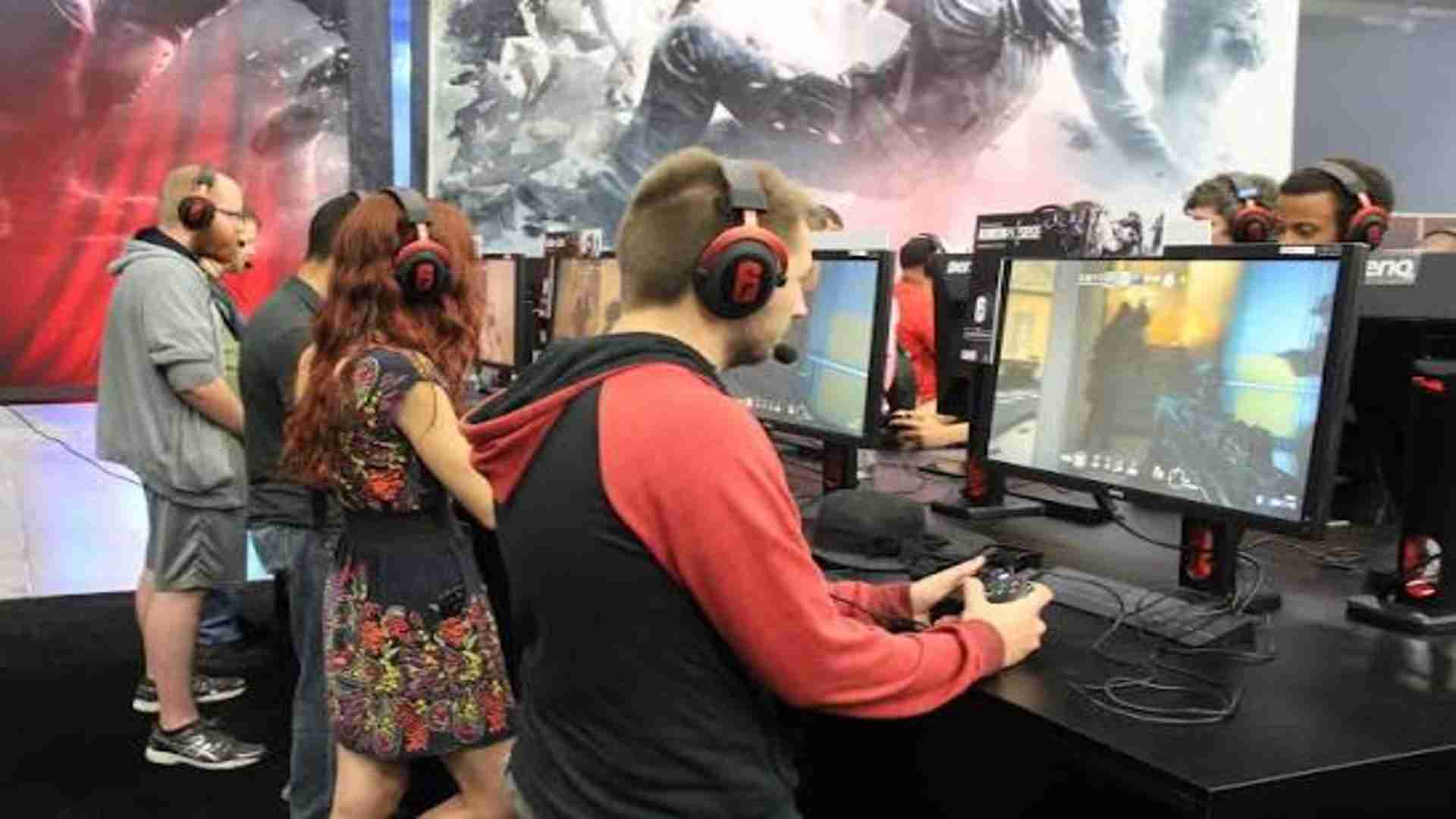
Choosing the ideal software environment remains one of the most critical decisions for PC players looking to maximize their hardware potential. While raw component specifications heavily dictate maximum frame rates, the underlying platform orchestrates how efficiently these resources are distributed during intensive play. Selecting the right foundation ensures that your favorite titles launch reliably and execute without disruptive background system latency.
Windows Domination and Modern Hardware Scheduling
Microsoft continues to command the largest share of the interactive software market due to its unmatched application compatibility and deep developer integration. Modern updates have introduced advanced performance delivery mechanisms designed to streamline demanding graphic pipelines across a massive library of classic and cutting-edge titles. These software features allow computer enthusiasts to experience stable frame rates and lower input response times during competitive sessions.
Furthermore, hardware deployment shifts in recent generations necessitate specialized thread coordination to properly utilize contemporary multi-core processors. To ensure a game runs on the fast P-cores, the operating system requires an advanced hardware scheduler capable of identifying active gameplay tasks in real time. This automated resource allocation prevents secondary background processes from interrupting critical visual processing cycles on your main screen.
The Rise of Linux Compatibility Layers
Open-source alternatives have experienced a massive surge in mainstream viability thanks to community dedication and substantial engineering breakthroughs. Intrepid developers have created efficient translation layers that seamlessly map graphical instructions to non-proprietary software structures. This technological advancement allows enthusiasts to escape restrictive traditional ecosystems while retaining access to vast digital entertainment libraries.
Many players appreciate the streamlined resource footprints offered by customized open-source environments, which frequently consume less system memory than standard commercial setups. The absent digital rights management overhead can occasionally yield smoother frame times in specific hardware configurations. However, certain multiplayer competitive titles utilizing kernel-level anti-cheat software may still refuse to execute properly on these alternative configurations.
Evaluating Custom Optimization Strategies
Achieving an exceptional gaming experience often involves configuring your selected platform to prioritize active application rendering over decorative interface elements. Modern interactive software suites include built-in features that automatically suspend non-essential alerts and background downloads when a fullscreen application is actively running. Utilizing these native tuning tools safeguards your local bandwidth and preserves processing overhead for volatile action sequences.
Maintaining current software dependencies and graphical drivers remains an essential practice for avoiding unexpected crashes and visual anomalies during fresh releases. Hardware manufacturers frequently collaborate with operating system architects to deploy target optimizations that enhance compatibility for highly anticipated marketplace expansions. Regular system maintenance ensures your digital entertainment setup remains entirely stable across extended computational loads.